
HOUSING CRISIS
The U.S. housing bubble and the subsequent Great Recession, followed by today's tighter credit market, have...

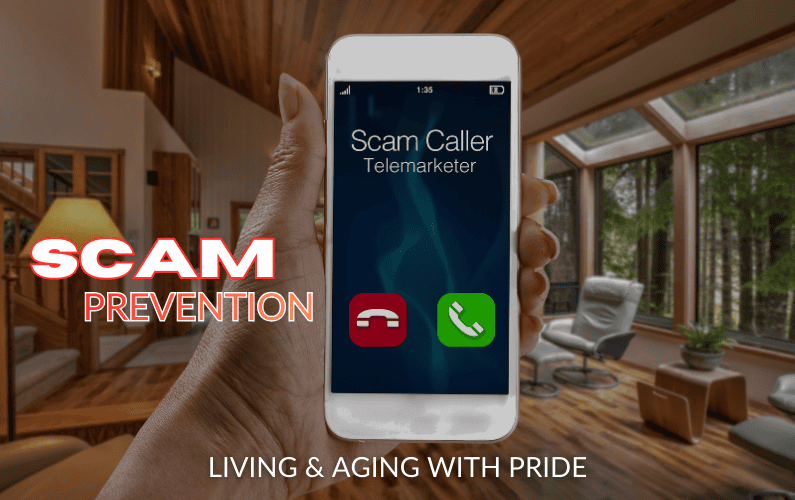
As we grow older, we gain wisdom, resilience, and perspective. Yet, unfortunately, scammers often see older adults as targets—not because seniors are vulnerable, but because they are trusted members of our communities who may have built financial stability over a lifetime.
At Living and Aging with Pride, we believe that everyone deserves to age with dignity, independence, and confidence. Knowing how to recognize and avoid scams is an important part of protecting yourself and your loved ones.
Let’s talk about common scams targeting seniors and how you can stay safe.
Why Seniors Are Often Targeted
These criminals are professional manipulators, and anyone can be fooled. The key is awareness, not fear.
Scammers may call pretending to be from Medicare, asking for your Social Security number or banking information.
✅ Remember: Medicare will never call you asking for sensitive details.
You may get a call or pop-up message claiming your computer has a virus, urging you to pay immediately for “help.”
✅ Tip: Legitimate companies like Microsoft or Apple do not make unsolicited tech support calls.
One of the most emotionally painful scams involves someone pretending to be a grandchild (or loved one) in trouble who needs money fast.
✅ Always verify: Hang up and call the family member directly.
Online scammers may build relationships through dating apps or social media, then ask for money or gifts.
✅ Rule of thumb: Never send money to someone you haven’t met in person.
Scammers claim you’ve won money but must pay fees or taxes first.
✅ Truth: Real lotteries never require upfront payment to claim a prize.
Scammers create urgency: “Act now or you’ll lose everything!”
✅ A real business or agency will allow time for decisions.
Never give out:
✅ When in doubt, hang up.
Talk to a friend, family member, or trusted advocate before sending money or signing anything.
✅ Two sets of eyes are better than one.
Most phones and email providers allow you to block spam numbers and suspicious senders.
✅ Ask for help setting up call-blocking tools if needed.
If something feels “off,” it probably is.
✅ You are allowed to say no, hang up, or ignore messages.
First, know this: It is not your fault. Scammers are experts at deception.
Take action quickly:
Living and aging with pride includes protecting your peace of mind and financial security. Staying informed is one of the best defenses we have against scams.
At Living and Aging with Pride, we are committed to supporting older adults in living full, joyful, and safe lives—free from exploitation and fear.
If you ever feel unsure about a call, email, or offer, don’t hesitate to reach out. Community is one of our strongest protections.
Let’s continue building a future where every senior can age with pride, strength, and security.
Stay alert. Stay connected. Stay proud.
-L&AWP
| RESOURCE | WHO TO CALL FOR | CONTACT INFORMATION |
| Utah Adult Protective Services (APS) | Reporting elder Abuse, Neglect, and Financial Exploitation of vulnerable adults. | 1-800-371-7897 (Mon-Fri, 8 a.m. to 5 p.m.) |
| National Elder Fraud Hotline | Free, government-run hotline staffed by case managers to help adults 60+ report elder fraud and access resources. | 833-FRAUD-11 (833-372-8311) |
| Utah Department of Consumer Protection | Reporting general consumer fraud and deceptive business practices. | (800) 721-7233 |
| Senior Medicare Patrol (SMP) | Preventing, detecting, and reporting health care fraud, errors, and abuse related to Medicare. | (800) 541-7735 |
| AARP Fraud Watch Network | Support for fraud victims, scam-tracking alerts, and advice. | 877-908-3360 |
| FBI Internet Crime Complaint Center (IC3) | Reporting internet-based fraud, scams, or cyber crimes. | Online Reporting |
| Local Community Centers/FBI Workshops | Inquire about local Elder Fraud Prevention Workshops and social media literacy training, which are often offered in partnership with organizations such as the FBI and local government (e.g., the South Salt Lake Community Opportunity Center). |
The U.S. housing bubble and the subsequent Great Recession, followed by today's tighter credit market, have...

A concerning trend is sweeping the nation, leaving many seniors feeling vulnerable and exploited: senior scams. These...